
Standard Tuning

First Feature
xxx
Second Feature
Standard Tuning
STANDARD TUNING
OBJECTIVE
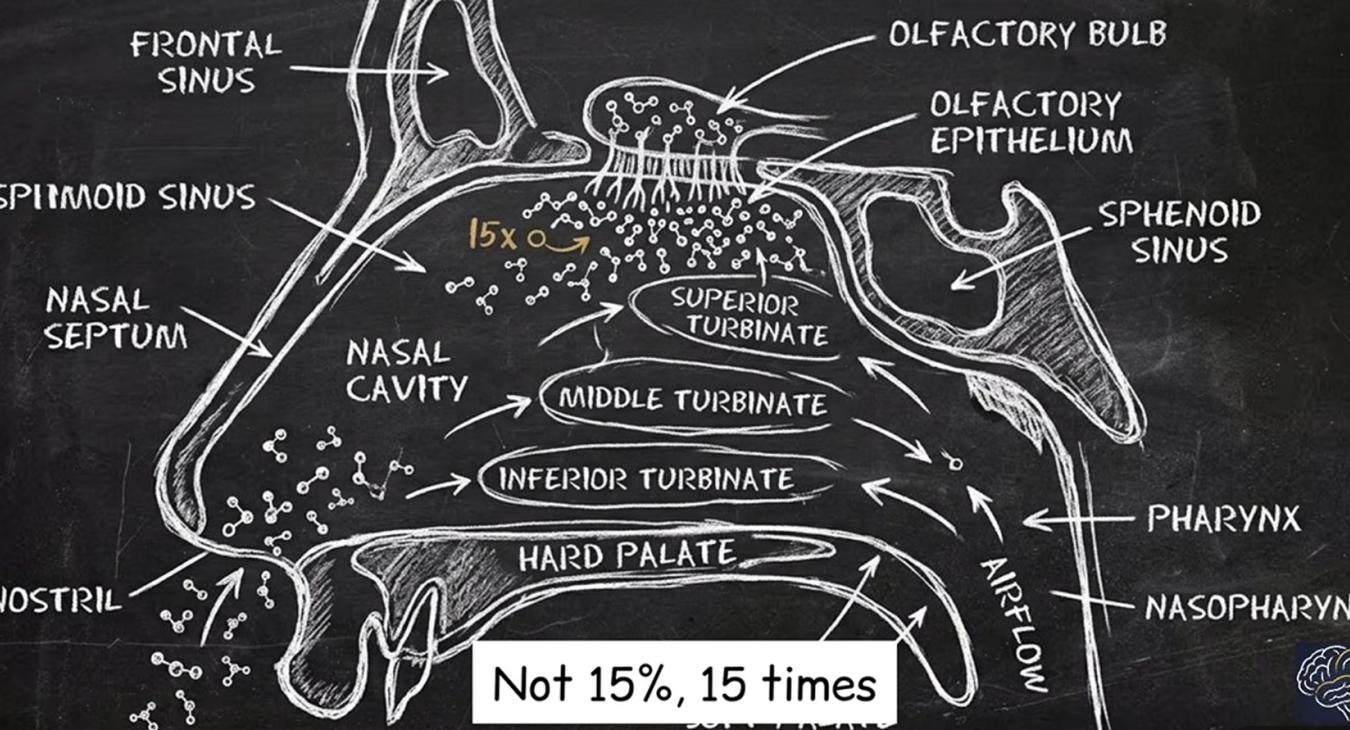
This conditions you to sing in the 12 scales. This warm up is mainly to coordinate the diaphragmatic pressure with the vocal cords vibration but also loosen up the cavities under the frontal cortex and the upper nasal cavity loosening the soft palate. As you vocalize your resonance should be focused on that upper nasal cavity. Humming naturally stimulates that area. The main objective of tuning your voice is to strengthen your diaphragm muscles to breathe out different speeds of air.
No one sings at 0 perfect pitch. When you start tuning up your notes will be off around 4 cents sharp or flat. By tuning up you sharpen your accuracy to less than 2 cents sharp or flat. Scales also condition the subconscious. Scales are important.
Most of the time the sheet music is written in the scale of F or G for easy piano playing with only one sh or one flat. Compare to 4 sharps in the key of E (guitar tuned to E). An E scale is 4 scales off from a "simplified" scale. If you have practiced singing to the original song in the original key, and the piano player is playing the simplified scale sheet music, you will have to adjust your singing notes to that simplified scale and not fall back on your memorized notes in the original scale of your song.
HOW
Go to your lowest note and play the chord of that scale. For men start with the lowest key on the piano A (A0), if you can. Then correctly finger the whole scale while singing going up. This scale should be done on one breath. Take a breath in. Then finger and sing that scale going down. Move up a semi tone. Play the chord of that scale. Then finger that scale up, take a breath in, then finger and sing the scale down. Repeat this until you reach an octave.
Take a quick breather break, then do the next higher octave. To be a pro you should do 4 octaves starting on the lowest A (ending on the sixth A note from the bottom (A5) for a 5 octave span). Do the first run with the sound "O", then do the others "Ah", "Eh", "EE", and "U". Each 4 octave run takes about 12 minutes. In the lowest run use only your chest resonance. In the highest run use only your head resonance.
Because time is a constraint, doing 2 full length vowel run sets will be sufficient to be tuned up. You can space out the run sets by doing other vocal exercises. But before a performance do all 5 vowel run sets.
NOTE: On the first run before the vowels - Hummmm the full 4 octave run to start the vocal tuneup.
Objective is matching the tone from your vocal chords with your breath (the different speeds of the air flowing out on the different notes). Your diaphragm needs to push out a different pressure for each different note and your soft palate changes with every note. This is the reason people think they can't sing. They don't tune up their vocal cords with their breath and with their soft palate. As you are coming to the end of your exhaling breath while vocalizing, curl your diaphragm up under your lungs for the last amount of breath used.
Sound should not waver and have good tone. This is the third reason you tune your voice. Remember to focus your resonance to the frontal nasal chamber under the frontal cortex. Note duration is quarter notes (120 BPM). Half or whole notes are harder. Keep the inner smile as you do this. Feel the vibration in the nasal cavity while at the same time opening up the chamber in the back of the mouth (raising the soft palate) and resonate that also. Sound is produced from the larynx so keep the path after it wide open to the resonant chambers of your mouth. Tilt your head back slightly. When singing lyrics, your mouth chamber changes to different shapes for expression.
PRO TUNING
Do the tuning as above extending to four octaves in length continuous. Note duration is quarter notes (120 BPM).
Make the "yy" sound right before the target vowel sound to make the vowel sound formed accurately after the previous vowel sound. This prevents sliding up. To improve breath put a H sound before the target vowel. For more vibration put a M sound before the targeted vowel.
Do twice a day. After a week you will notice it's effect.
To relieve the boredom, after two full scale runs - tune to a melody of a song, then resume the scale runs.
Short on Time
Tune an octave in one of the vowel sounds. Move up a half step, change the vowel sound, then vocalize the next octave. Change the vowel every time you step up the half step to do the next octave.
Boring
After tuning with two vowel sound runs you can take a break and work on your chord inversions, circle of fifths...etc... Then come back and tune to other vowel runs. This breaks up the boredom.
TUNING APP
You can use a tuning app to see how accurate you are when singing the notes. You can record your tuning on a DAW that can analyze your pitch from a recording so you to see your accuracy.
Before a Performance
Before a performance you should always do the full tune up of your voice.
Humming
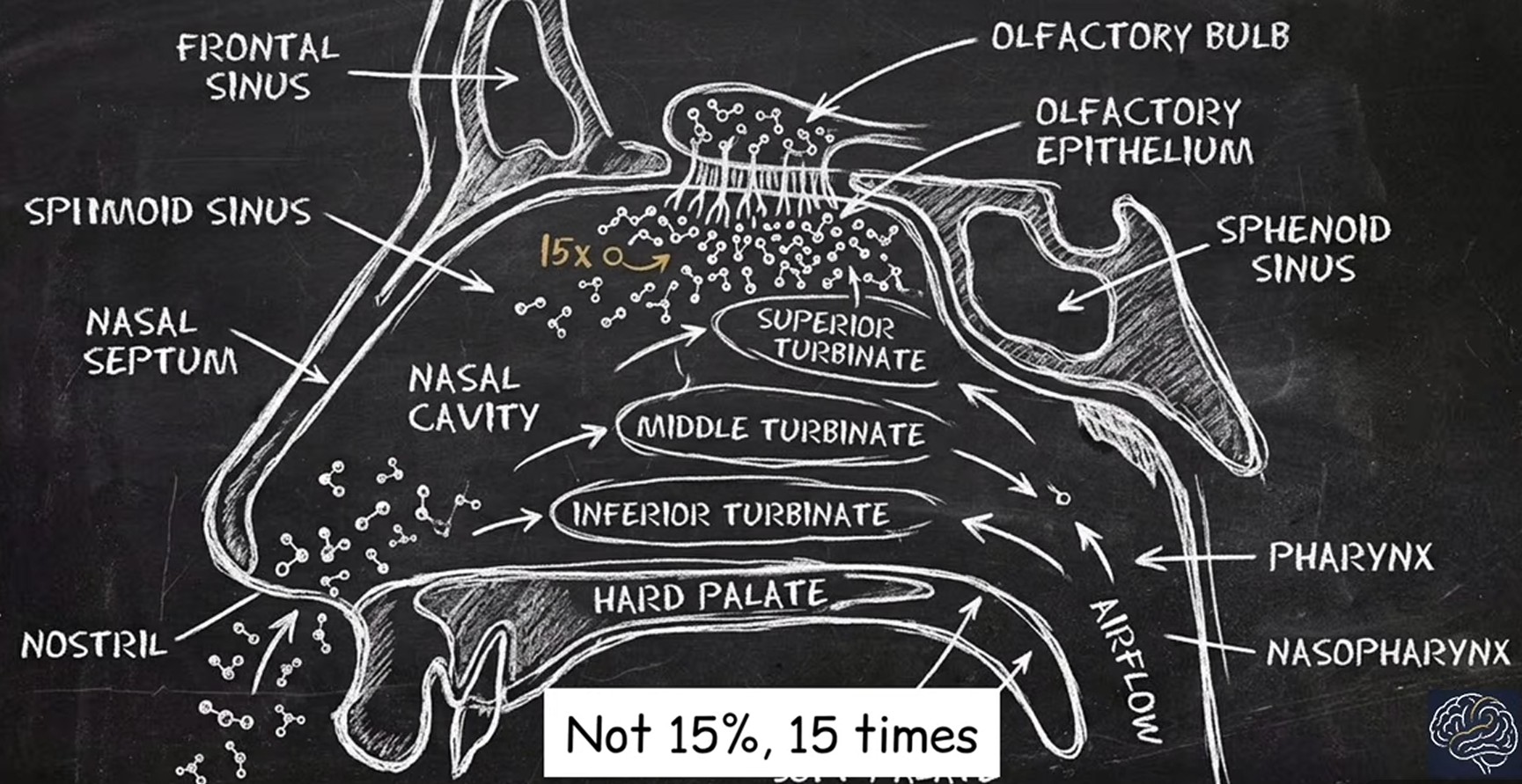
Tests when humming showed that Nitric Oxide increased 15 times!!!!!!
Vocalize the scales exercises with the A E I O U sound while half humming.
Humming